
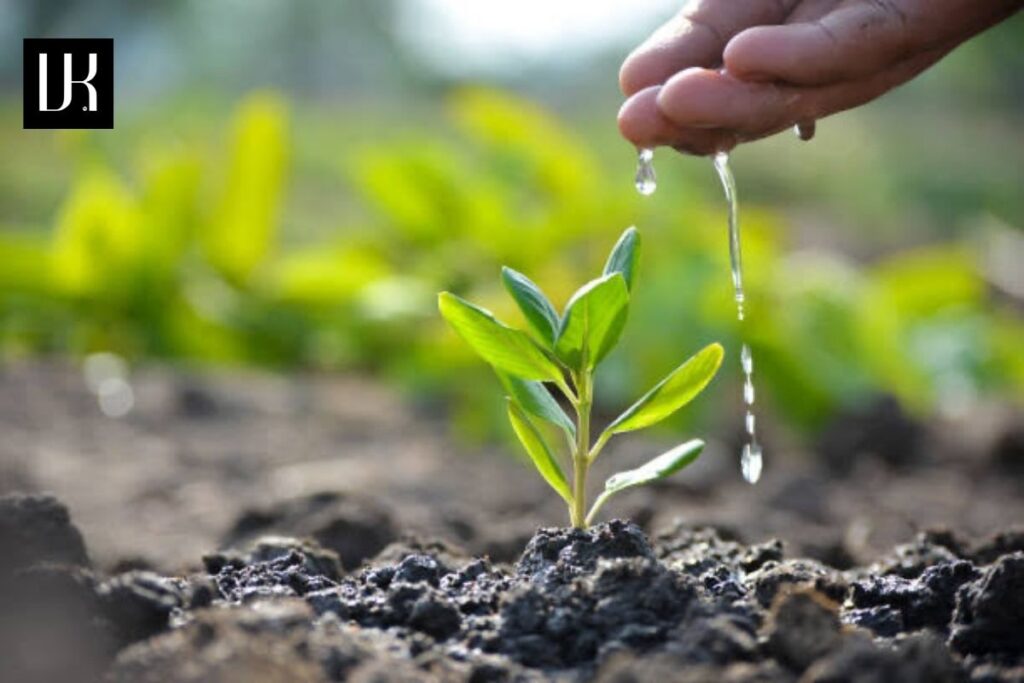
Uttarakhand is not only known for its beauty and the humbleness of its people but is also known for its festivals, one of which is Harela. This festival comes thrice every year, the first one during Chaitra Navratri, the second one during Sharad Navratri in the month of Ashwin, and the third one observed during Shravan. However, in most parts of Uttarakhand, Harela is celebrated during the Saavan month only, which is being observed on July 16, 2022. Harela, which translates to “day of green,” is a celebration of the environment, peace, prosperity, and greenery.
A new season officially begins with Harela. The Saavan Harela is celebrated on Karka Sankranti, the first day of the saavan month. The communities that are centered on agriculture celebrate the festival with the utmost joy. The seeds of five or seven different grains, including maize, mustard, horse gramme, barley, wheat, rice, soybeans, and other crops, are sown in a wooden or mud pot called a “chauk” just ten days before the great festival. Then, this pot is maintained in a dimly lit area with no access to sunshine, and it receives two or three daily sprinkles of water. These plants are cut on the 10th which is celebrated as Harela.
On the auspicious day of Harela, it is said that if a branch of any tree is planted, it would take five days for the branch to form roots and the tree will then grow roots, which will make it immortal forever. In certain areas, however, the Harela is planted inside the temples and dedicated to the local deity instead of being planted at home as is customary. The seeds are not planted when someone passes away on Harela; instead, they wait until a child or calf is born on that day.
According to the festival’s mythology, it commemorates the union of Lord Shiva and Goddess Parvati. Given that Uttarakhand is considered the home of Lord Shiva, hence Saavan (the fifth month of the Hindu lunar calendar) and Harela are very significant here. On this day, idols of Lord Shiva are made in households and are referred to as ‘Dhikare’. Shiva, Ganesha, Parvati, and Kartikeya are shaped into figures made of pure soil and painted with natural hues.
The Harela festival demonstrates the unbreakable connection between Uttarakhand’s residents and nature. The Harela festival is an illustration of how the celebrations, customs, traditions and rules of our daily lives are a perfect synthesis of reason, faith, and science. The interaction between the various Uttarakhandi folk festivals and nature, agriculture, and animals is unique, which is why the festival of Harela has been celebrated for such a long time. Seeing the importance of Harela in Society and its benefits to the environment, the Uttarakhand govt. has requested the masses to celebrate this festival in large numbers and is raising awareness about it in the cities as well.
Harela is not merely a festival, but a reflection of the lifestyle of Uttarakhandis. The lesson of this celebration is to find harmony in nature’s simplicity. There is a widespread notion that any plant that is sowed on this day will flourish. The hills have a long tradition of protecting and caring for the natural world. Greenery pleases everyone, seeing foliage around him, every man gets happy and jubilant.
The important thing about this festival is that it departs from the theory of individualism and gives importance to socialistic principles. All around the world where man is considered an enemy of nature, this festival teaches us to move ahead making a balance with mother nature.
Happy Harela to All!!